

There is something deeply satisfying about a dinner that comes together on a single sheet pan. The kind of meal where you toss everything onto one tray, slide it into the oven, and let the heat do all the heavy lifting while you unwind from the day. This Sheet Pan Teriyaki Chicken and Veggies is my weeknight hero. The chicken comes out tender and juicy, glazed in a sticky, savory-sweet teriyaki sauce that caramelizes beautifully at the edges. Meanwhile, the vegetables—bell peppers, broccoli, and snap peas—roast until they’re perfectly crisp-tender, soaking up all that glorious sauce. The entire kitchen fills with the warm, inviting aroma of garlic, ginger, and soy. It’s one of those meals that feels like a hug on a plate, and the best part? You only have one pan to wash. Let me show you how to make it.
Recipe Timing
- Prep Duration: 20 minutes
- Active Cooking: 35 minutes
- Total Duration: 55 minutes
- Portion Size: 4 servings
- Complexity: Simple
Nutritional Recipe
- Calories per portion: 485
- Protein: 38g
- Carbs: 32g
- Fats: 22g
- Fiber: 6g
- Sugars: 18g
- Sodium: 890mg
Why You’ll Love This Sheet Pan Teriyaki Chicken and Veggies
This recipe is the ultimate weeknight lifesaver. You get a complete, balanced meal with protein, colorful vegetables, and a rich, Asian-inspired glaze—all from one pan. The teriyaki sauce is made from scratch with everyday pantry staples, so you know exactly what’s going into your food (no weird preservatives or high-fructose corn syrup here). It’s fast enough for a busy Tuesday, but impressive enough to serve to guests. Plus, the cleanup is a breeze, which means more time enjoying dinner and less time scrubbing dishes. The chicken thighs stay incredibly moist because they roast in the same pan as the veggies, and the sauce reduces into a glossy, sticky coating that clings to every bite. You’re going to love how easy and delicious this is.
The Complete Cooking Journey
The secret to this sheet pan dinner is building layers of flavor right on the tray. We start by whisking together a simple homemade teriyaki sauce—soy sauce, mirin, honey, garlic, ginger, and a touch of sesame oil. The chicken thighs get a quick bath in half the sauce, allowing them to absorb all that umami goodness while you prep the vegetables. Then, everything gets arranged on a parchment-lined sheet pan: chicken pieces nestled among colorful bell peppers, broccoli florets, and crisp snap peas. As the oven works its magic at 400°F, the chicken roasts to juicy perfection, the vegetables develop those beautiful charred edges, and the sauce thickens into an irresistible glaze. A final brush of the remaining sauce halfway through ensures every bite is coated in that sweet-savory teriyaki flavor. In under an hour, you’ll have a restaurant-quality dinner that’s entirely from your oven.
Ingredients:
For the Homemade Teriyaki Sauce:
- 1/3 cup low-sodium soy sauce
- 2 tablespoons mirin (or dry sherry)
- 3 tablespoons honey
- 2 cloves garlic, minced
- 1 teaspoon fresh ginger, grated
- 1 teaspoon sesame oil
- 1 tablespoon rice vinegar
- 1 teaspoon cornstarch mixed with 2 teaspoons water (for thickening)
For the Chicken and Veggies:
- 1.5 lbs boneless, skinless chicken thighs (about 4–6 thighs)
- 2 cups broccoli florets
- 1 red bell pepper, sliced into 1-inch strips
- 1 yellow bell pepper, sliced into 1-inch strips
- 2 cups snap peas, ends trimmed
- 2 tablespoons avocado oil (or vegetable oil)
- 1/4 teaspoon salt
- 1/4 teaspoon black pepper
- Sesame seeds and sliced green onions, for garnish
Method:
Step 1: Making the Teriyaki Sauce
In a small mixing bowl, whisk together the soy sauce, mirin, honey, minced garlic, grated ginger, sesame oil, and rice vinegar. In a separate tiny bowl, stir the cornstarch with the water to create a slurry. Pour the slurry into the sauce mixture and whisk until smooth. This sauce will thicken beautifully as it bakes, creating that signature glossy teriyaki coating.
Step 2: Marinating the Chicken
Place the chicken thighs in a medium bowl. Pour half of the teriyaki sauce over the chicken, reserving the other half for later. Toss the chicken well to coat every piece. Let it sit at room temperature while you prep the vegetables—this gives the flavors just enough time to soak in without making the chicken mushy.
Step 3: Prepping the Vegetables
Wash and cut the broccoli into bite-sized florets. Slice the bell peppers into strips about 1-inch wide. Trim the ends off the snap peas. Place all the vegetables in a large bowl, drizzle with the avocado oil, and sprinkle with salt and black pepper. Toss gently with your hands to coat evenly.
Step 4: Arranging the Sheet Pan
Preheat your oven to 400°F (200°C). Line a large rimmed baking sheet (about 18×13 inches) with parchment paper for easy cleanup. Arrange the marinated chicken thighs in the center of the pan, leaving space between each piece. Scatter the seasoned vegetables around the chicken in a single, even layer. Try not to overcrowd—if everything is too crowded, the veggies will steam instead of roast.
Step 5: Roasting the Sheet Pan Dinner
Place the sheet pan in the preheated oven and roast for 20 minutes. After 20 minutes, remove the pan from the oven. Brush the chicken thighs with the reserved teriyaki sauce, making sure each piece gets a generous coat. Give the vegetables a quick stir with a spatula to ensure even browning. Return the pan to the oven and roast for another 12–15 minutes, until the chicken reaches an internal temperature of 165°F and the vegetables are tender with lightly charred edges.
Step 6: Garnishing and Serving
Remove the sheet pan from the oven. Let it rest for about 3 minutes—this allows the juices in the chicken to redistribute. Sprinkle generously with sesame seeds and sliced green onions. Serve the chicken and veggies directly from the pan or transfer to a warm serving platter. Spoon any extra pan juices over the top for maximum flavor.
Serving Suggestions & Pairings
This sheet pan dinner is wonderfully complete on its own, but it’s even better with a few simple sides. Serve it over a bed of steamed jasmine rice or fluffy brown rice to catch every drop of that teriyaki sauce. For a lighter option, try it with cauliflower rice or a simple side salad of mixed greens dressed with a ginger vinaigrette. If you want to round out the meal, add a bowl of miso soup or some steamed edamame sprinkled with sea salt. A cold glass of iced green tea or a crisp Sauvignon Blanc pairs beautifully with the sweet-savory flavors. This dish is perfect for a cozy family dinner, a quick weeknight meal prep, or even a casual dinner party where you want to impress without spending hours in the kitchen.
Storage & Leftovers Guide
This recipe makes fantastic leftovers, and the flavors actually deepen overnight. Store any leftover chicken and vegetables in an airtight container in the refrigerator for up to 4 days. To reheat, place everything on a baking sheet and warm in a 350°F oven for about 10 minutes, or until heated through. You can also use the microwave in 30-second bursts, but the oven helps maintain the texture of the vegetables better. I don’t recommend freezing this dish, as the vegetables can become watery and the sauce may separate upon thawing. However, if you have extra teriyaki sauce, it freezes beautifully for up to 3 months—just thaw it in the fridge and use it for stir-fries or marinades later.
Kitchen Wisdom & Success Tips
For the best results, use chicken thighs instead of breasts. Thighs stay juicy and forgiving during roasting, while breasts can dry out quickly. If you prefer white meat, reduce the cooking time by about 5 minutes and check the temperature early.
Line your sheet pan with parchment paper or a silicone baking mat. This prevents the sticky teriyaki sauce from burning onto the pan and makes cleanup almost effortless.
Don’t skip the cornstarch slurry in the sauce. It’s the secret to that thick, glossy, restaurant-quality glaze that clings to the chicken and veggies. Without it, the sauce will be too thin and watery.
Cut your vegetables into uniform sizes so they cook evenly. Broccoli should be in similar-sized florets, and bell peppers should be cut into strips about the same thickness.
Let the chicken rest for a few minutes after coming out of the oven. This keeps the juices inside the meat instead of running out onto the plate.
Flavor Variations & Adaptations
This recipe is incredibly flexible. For a spicier version, add 1/2 teaspoon of red pepper flakes or a squirt of sriracha to the teriyaki sauce. For a citrusy twist, replace the rice vinegar with fresh lime juice and add a teaspoon of lime zest.
If you don’t have mirin, you can substitute dry sherry or even a splash of apple juice mixed with a pinch of sugar. Honey can be swapped with maple syrup or brown sugar, though the flavor will change slightly.
For a gluten-free version, use tamari or coconut aminos in place of soy sauce, and ensure your mirin is gluten-free (most brands are). Serve with rice or quinoa.
Try different vegetables based on what’s in season. Zucchini, asparagus, snow peas, bok choy, or even cubed sweet potatoes all work beautifully. Just adjust the roasting time—denser vegetables like sweet potatoes may need to be par-cooked or cut smaller.
To make this a vegetarian meal, swap the chicken for firm tofu (pressed and cubed) or tempeh. Toss the tofu in the teriyaki sauce and roast for 25–30 minutes, flipping halfway.
Reader Questions & Solutions
Q: My chicken came out dry. What did I do wrong?
A: The most common culprit is overcooking. Chicken thighs are forgiving, but they can still dry out if left too long. Use an instant-read thermometer and pull them at exactly 165°F. Also, make sure you’re using boneless, skinless thighs—breasts cook faster and dry out more easily. Basting with the reserved sauce at the halfway mark also helps lock in moisture.
Q: My vegetables turned out soggy instead of crisp-tender. How can I fix this?
A: Soggy vegetables usually mean the pan was overcrowded. Spread everything in a single, even layer with a little space between pieces. If you have too many veggies, use two pans or roast them in batches. Also, make sure your oven is fully preheated to 400°F—a hot oven creates steam that evaporates quickly, giving you those nice charred edges.
Q: Can I use bottled teriyaki sauce instead of making it from scratch?
A: Absolutely, in a pinch. Look for a high-quality bottled teriyaki sauce with no high-fructose corn syrup. You’ll need about 1/2 cup total. However, homemade sauce is so quick and has a fresher, brighter flavor—I promise it’s worth the extra two minutes to whisk it together.
Q: Is there a way to reduce the sodium without sacrificing flavor?
A: Yes! Use low-sodium soy sauce (or tamari) and reduce the salt added to the vegetables. You can also add a splash of citrus juice or extra ginger and garlic to boost flavor without salt. The mirin and honey already provide plenty of sweetness to balance the savory notes.
Q: Can I prep this dish ahead of time for meal prep?
A: Definitely. You can whisk the teriyaki sauce and marinate the chicken up to 24 hours in advance—store both in the fridge. Prep and cut the vegetables a day ahead as well. When you’re ready to cook, simply arrange everything on the sheet pan and roast as directed. For meal prep, cook the full recipe, portion it into containers with rice, and refrigerate for up to 4 days.
Q: My sauce didn’t thicken—why?
A: The cornstarch slurry needs to be thoroughly mixed before adding to the sauce. If the cornstarch settles at the bottom, it won’t activate properly. Also, make sure you’re using a high enough oven temperature; the thickening happens as the sauce bakes and reduces. If your sauce still seems thin after roasting, you can drizzle it into a small saucepan and simmer on the stove for 2–3 minutes to thicken it further.
Q: Can I use chicken breasts instead of thighs?
A: Yes, but you’ll need to adjust the cooking time. Boneless, skinless chicken breasts (about 6–8 oz each) will cook faster—check for doneness at around 18–20 minutes total. Slice them in half lengthwise to ensure even thickness, and consider adding a few minutes of extra basting to keep them moist.
Wrapping Up
This Sheet Pan Teriyaki Chicken and Veggies has become a staple in my kitchen for all the right reasons. It’s quick, it’s flavorful, and it makes you feel like you’ve pulled off something truly special with very little effort. The glossy, sticky teriyaki coating, the tender chicken, the vibrant roasted vegetables—every bite is a little celebration. I hope this recipe brings a bit of easy, delicious magic to your dinner table. Go ahead, give it a try tonight, and let me know how it turns out. Happy cooking, friends!

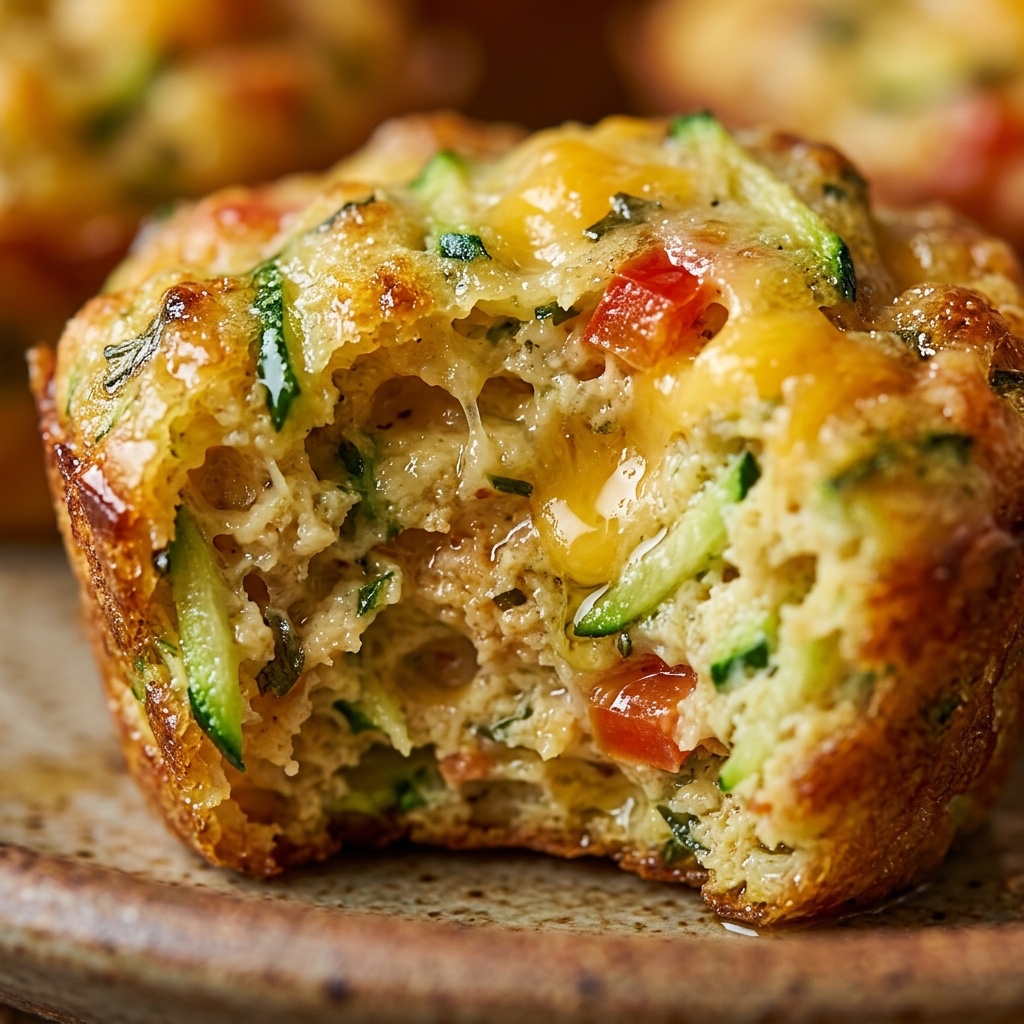
Zucchini egg muffins