
There is something almost magical about the first time you crack an egg into a bubbling, crimson pool of spiced tomatoes and watch it transform. The edges of the white turn opaque and delicate, the yolk stays a perfect, wobbly jewel, and the whole kitchen fills with the warm, earthy scent of cumin and paprika. I remember my first Shakshuka vividly. It was a rainy Sunday morning, and I was feeling a little lost, a little hungry, and a lot in need of comfort. I had a can of tomatoes, a few eggs, and a vague memory of a dish a friend had described from a trip to Tel Aviv. I didn’t have a recipe, just a feeling. I fried some onions and garlic, tossed in a mountain of spices, and let it all simmer down into a thick, fragrant sauce. When I gently nestled the eggs into the little wells I’d made, I felt like a sculptor. When I finally dipped a piece of crusty bread into that runny yolk, I knew I had found a new kind of soul food. This isn’t just a recipe; it’s a ritual, a hug in a pan, and clear proof of the beautiful things that happen when simple ingredients meet patient cooking.
Recipe Timing
- Prep Duration: 10 minutes
- Active Cooking: 20 minutes
- Total Duration: 30 minutes
- Portion Size: 4 servings
- Complexity: Simple
Nutritional Recipe
(Approximate per serving, based on one large egg and 1/4 of the sauce)
- Calories per portion: 220
- Protein: 14g
- Carbs: 12g
- Fats: 14g
- Fiber: 3g
- Sugars: 8g
- Sodium: 600mg
Why You’ll Love This Shakshuka
This isn’t just a recipe for eggs. It’s a one-pan wonder that works for breakfast, brunch, lunch, or a quick, satisfying dinner. You’ll love it because it’s forgiving – you can’t really mess it up. It’s deeply flavorful, thanks to a warm, aromatic spice blend that wakes up your whole kitchen. It’s naturally vegetarian and gluten-free, easily adaptable to what you have on hand, and it feels far more impressive than the sum of its parts. It’s the kind of meal that makes you feel like you’ve achieved something beautiful, even on a Tuesday night.
The Complete Cooking Journey
Let’s be honest, the best part of cooking Shakshuka is the process. It’s a slow, meditative dance. You start by softening the aromatics – the onions and garlic – until they’re sweet and translucent. Then comes the spice party: cumin, paprika, a pinch of cayenne for warmth. This is the moment the fragrance really blooms. You add the tomatoes, let them break down and concentrate into a thick, rich sauce, a process that deepens the flavor and creates the perfect bed for the eggs. Finally, the moment of truth: cracking the eggs into the sauce, covering the pan, and watching them gently poach until the whites are set but the yolks are gloriously, dangerously runny. It’s a quiet, satisfying act of creation.
Ingredients:
- 3 tablespoons extra-virgin olive oil
- 1 large yellow or white onion, halved and thinly sliced
- 1 large red bell pepper, stemmed, seeded, and thinly sliced
- 3 cloves garlic, thinly sliced
- 1 teaspoon ground cumin
- 1 teaspoon sweet paprika
- ½ teaspoon ground coriander
- ¼ teaspoon cayenne pepper (or to taste)
- 1 (28-ounce) can whole peeled tomatoes, with their juices, crushed by hand
- 1 teaspoon kosher salt, plus more to taste
- ½ teaspoon black pepper, plus more to taste
- 6 large eggs
- ¼ cup crumbled feta cheese (optional, but highly recommended)
- Fresh cilantro or parsley leaves, for garnish
- Crusty bread, for serving
Method:
Step 1: Sautéing the Aromatics
Heat the olive oil in a large, deep skillet or sauté pan (10-12 inches wide is ideal) over medium heat. Add the sliced onion and bell pepper. Cook, stirring occasionally, for 8-10 minutes, until the vegetables are very soft and the onion is translucent. Add the sliced garlic and cook for another minute, until fragrant. Be careful not to burn the garlic.
Step 2: Blooming the Spices
Sprinkle the cumin, paprika, coriander, and cayenne pepper over the softened vegetables. Stir constantly for about 30-60 seconds, until the spices are fragrant and coat the vegetables. This “blooming” step is crucial for unlocking the full depth of flavor from the spices.
Step 3: Simmering the Sauce
Pour in the hand-crushed tomatoes and their juices. Add the salt and pepper. Stir everything together, scraping up any browned bits from the bottom of the pan. Bring the sauce to a gentle simmer, then reduce the heat to medium-low. Let it bubble away, stirring occasionally, for about 10-15 minutes, until the sauce has thickened and reduced slightly. The flavor will deepen and concentrate beautifully.
Step 4: Creating the Egg Wells
Using the back of a large spoon, make 6 small wells or indentations in the simmering sauce, spacing them evenly around the pan. The wells should be deep enough to hold an egg without the white immediately running out.
Step 5: Poaching the Eggs
Crack one egg into a small bowl, then gently slide it into a well. Repeat with the remaining eggs. Season the eggs with a little more salt and pepper. Spoon a tiny bit of the tomato sauce over the whites of the eggs to help them cook evenly. Cover the pan with a lid and let the eggs cook for 5 to 8 minutes, depending on how you like your yolks. For a runny yolk, cook for 5-6 minutes. For a firmer yolk, cook for 7-8 minutes. The whites should be set.
Step 6: Garnishing and Serving
Remove the pan from the heat. If using, sprinkle the crumbled feta cheese over the top. Garnish liberally with fresh cilantro or parsley. Serve immediately, directly from the pan, with plenty of crusty bread for dipping and scooping.
Serving Suggestions & Pairings
Shakshuka is a star on its own, but it loves company. The classic pairing is plenty of warm, crusty bread or toasted pita for dipping into the rich sauce and egg yolk. For a heartier meal, serve it alongside a simple cucumber and tomato salad with a lemon-tahini dressing. A side of creamy hummus or labneh (strained yogurt) is also a wonderful, cooling counterpoint to the warm spices. I love serving it with a simple green salad dressed with a bright vinaigrette to cut through the richness. For drinks, a glass of fresh-squeezed orange juice is perfect for brunch, or a crisp, dry rosé or a light lager for a dinner Shakshuka.
Storage & Leftovers Guide
Shakshuka is best enjoyed fresh, right out of the pan. The eggs will continue to cook as the dish cools, so leftovers are not ideal for the perfect texture. However, if you do have leftover sauce (without the eggs), it’s a treasure. Storage: Store the sauce in an airtight container in the refrigerator for up to 4 days. Reheating: Gently reheat the sauce in a pan, adding a splash of water if it’s too thick. You can then poach fresh eggs in the reheated sauce. Freezing: You can freeze the sauce (without the eggs) for up to 3 months. Thaw overnight in the refrigerator before reheating and adding fresh eggs. Leftover cooked eggs: It’s not recommended to reheat the whole dish with the eggs, as the yolks will become hard and chalky.
Kitchen Wisdom & Success Tips
- The Right Pan is Key: Use a wide, heavy-bottomed skillet. The wide surface area allows the eggs to cook evenly without crowding, and the heavy bottom prevents the sauce from scorching.
- Don’t Rush the Sauce: The long, slow simmer is where the magic happens. It allows the flavors to meld and the sauce to thicken to the perfect consistency. A watery sauce will not cradle the eggs properly.
- The Fresh Egg Test: The fresher your eggs, the better they will hold their shape in the sauce. A fresh egg has a tighter, more pronounced white that won’t spread out as much.
- Use a Lid for Poaching: Covering the pan is the secret to getting the whites of the eggs to set without having to cook the yolks into hard little balls. The steam trapped inside does the work.
- Watch the Heat: Keep the sauce at a gentle simmer, not a rolling boil, after you add the eggs. High heat will overcook the bottoms of the eggs and toughen the whites.
- Make it Ahead: You can absolutely make the sauce (minus the eggs) a day or two ahead. This is a fantastic time-saver. Just reheat it and add the eggs when you’re ready.
Flavor Variations & Adaptations
- Spicy Shakshuka: For a fiery kick, add a finely chopped fresh chili pepper (like jalapeño or serrano) when you sauté the onions. You can also add a pinch of red pepper flakes with the other spices.
- Green Shakshuka: Replace the tomatoes with a base of sautéed spinach, chard, and leeks. Add a bit of cream and lots of fresh herbs like dill and parsley.
- Add Some Greens: Stir a handful of fresh spinach or chopped kale into the sauce right before you add the eggs. It will wilt down beautifully.
- Meatier Version: Add ½ pound of cooked, crumbled spicy or sweet Italian sausage or Merguez sausage to the tomato sauce before adding the eggs.
- Cheese Lover’s: Instead of or in addition to feta, try dollops of fresh mozzarella, goat cheese, or shredded halloumi. The cheese will melt into the sauce for a luscious, creamy texture.
- Harissa Twist: Stir in 1-2 tablespoons of harissa paste (a North African chili paste) into the sauce for a complex, smoky, and fiery flavor.
Reader Questions & Solutions
Q: My sauce is always too watery. What am I doing wrong?
A: This is the most common issue! The key is to let the sauce simmer long enough. You want to reduce it by about a third. The sauce should be thick enough that when you drag a spoon through it, the bottom of the pan is visible for a moment. Also, make sure you are crushing the tomatoes by hand, as they release less liquid than pre-crushed or diced tomatoes.
Q: How do I know when the eggs are perfectly cooked?
A: For a perfectly runny yolk, cook for 5-6 minutes. The whites should be fully set and opaque. Gently jiggle the pan – the yolk should wobble but the white should be firm. If you want a firmer yolk, cook for 7-8 minutes. The best way to check is to use a small spoon and gently press on the white near the yolk; it should feel firm, not jiggly.
Q: Can I make this in a cast iron skillet?
A: Absolutely! A cast iron skillet is actually perfect for Shakshuka. It retains heat beautifully and allows for even cooking. Just make sure your skillet is well-seasoned so the tomatoes don’t react with the metal.
Q: My egg whites are always runny on top, even when the bottom is cooked.
A: This is a classic issue solved by the lid. The steam from the covered pan cooks the top of the whites. If you don’t have a lid, you can use a baking sheet or a piece of foil to cover the pan. Another trick is to spoon a little of the hot tomato sauce over the whites of the eggs right after you crack them in – this helps them cook from the top.
Q: Can I use diced tomatoes instead of whole peeled?
A: You can, but the texture won’t be the same. Whole peeled tomatoes are usually plumper and have a better, deeper flavor. They break down into a more robust sauce. If you only have diced, look for fire-roasted diced tomatoes for a flavor boost. You might need to simmer them a little longer to achieve the right thickness.
Q: My Shakshuka is too acidic. How can I fix it?
A: Acidity can come from the tomatoes. A simple fix is to add a pinch of sugar or a drizzle of honey to the sauce while it simmers. This will balance the acidity without making it sweet. Another trick is to stir in a tablespoon of butter or a splash of cream at the end.
Wrapping Up
This Shakshuka is more than just a recipe; it’s an invitation. An invitation to slow down, to simmer something beautiful, to crack an egg and witness a small miracle in your own kitchen. It’s a dish that forgives, adapts, and always, always delivers comfort. Whether you serve it for a lazy weekend brunch with friends or a quiet weeknight dinner for yourself, I hope you feel the same warmth and satisfaction I do every time I make it. It’s a simple, humble dish that speaks a universal language of deliciousness. So go ahead, grab a pan, and make some magic. You’ve got this.

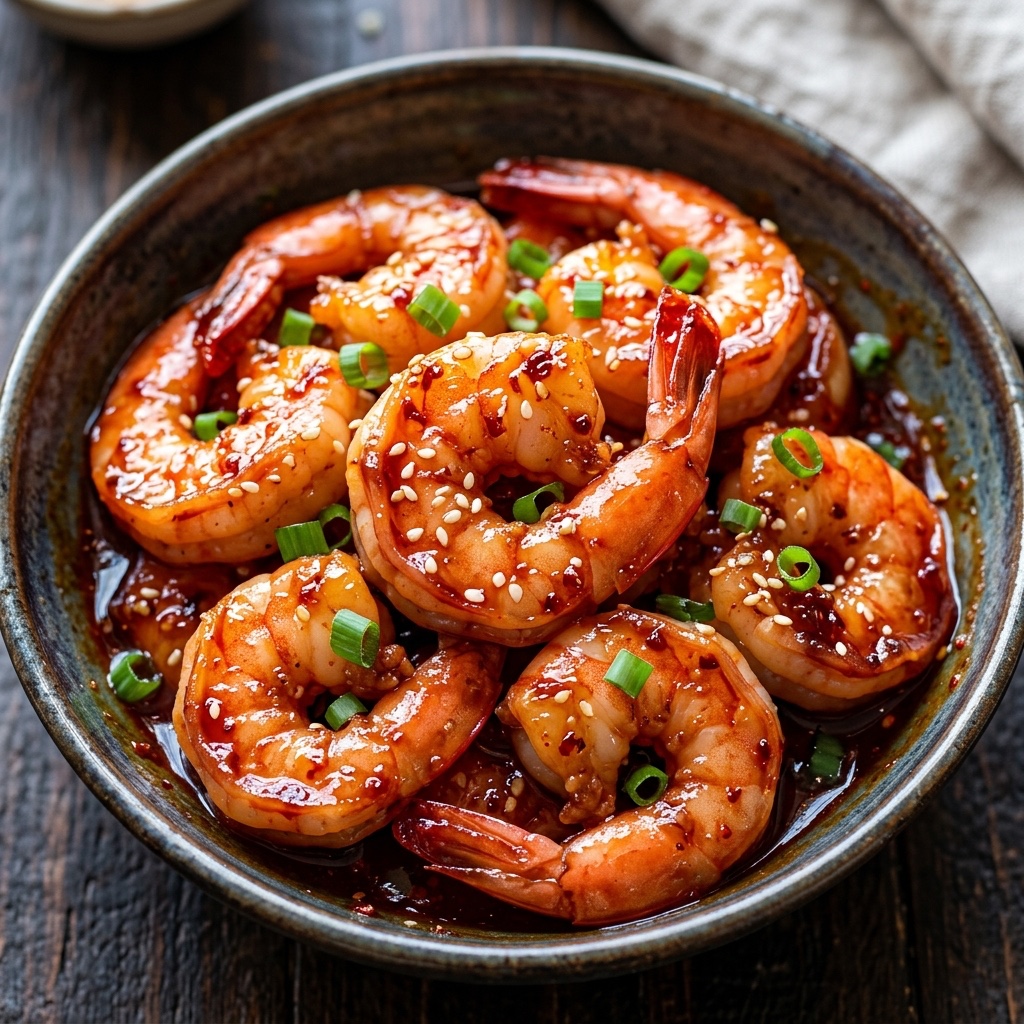
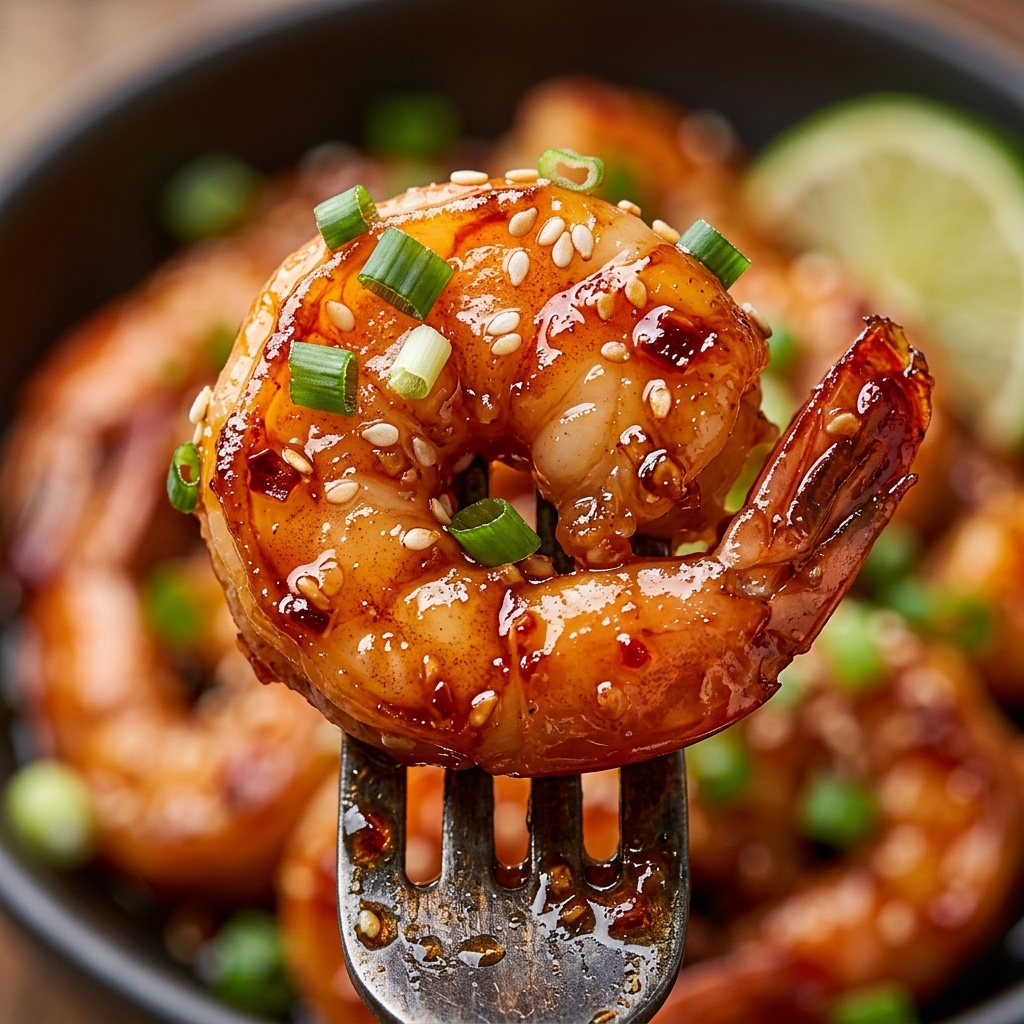
Honey Sriracha Shrimp