
Here is the blog article, crafted as requested.
—
There are some meals that feel like a reward, but the Sheet Pan Honey Garlic Salmon? It feels like a secret weapon. I remember the first time I made it for a weeknight that had gone completely sideways. The kids were hungry, the emails were piling up, and I had about thirty minutes before everyone turned into hangry gremlins.
I threw a fillet of salmon and some broccoli onto a single pan, whisked together a sticky, sweet, and savory sauce that smelled like pure comfort, and let the oven do the heavy lifting. Twenty minutes later, I pulled out a dinner that looked like it belonged on a restaurant menu. The salmon was flaky and glistening, the broccoli was perfectly caramelized, and the whole kitchen smelled like the best kind of hug.
That night, I didn’t just make dinner. I saved it. And now, this recipe is my go-to for that same feeling—the one where you get to be the hero of your own kitchen without spending hours there.
Recipe Timing
- Prep Duration: 10 minutes
- Active Cooking: 20 minutes
- Total Duration: 30 minutes
- Portion Size: 4 servings
- Complexity: Simple
Nutritional Recipe
- Calories per portion: Approximately 420
- Protein: 35g
- Carbs: 28g
- Fats: 18g
- Fiber: 3g
- Sugars: 20g
- Sodium: 680mg
Why You’ll Love This Sheet Pan Honey Garlic Salmon
This isn’t just a recipe; it’s a life hack for delicious, wholesome eating. You’ll love it because it checks every box: it’s incredibly fast, uses one pan for effortless cleanup, and delivers a flavor that’s both sophisticated and family-friendly. The honey garlic glaze caramelizes into a glossy, sticky coating that clings to the tender salmon and roasts the vegetables to perfection. It’s the perfect answer to the “what’s for dinner?” question when you want something impressive but have zero energy.
The Complete Cooking Journey
This dish is a beautiful lesson in balance. As the salmon roasts, the honey in the glaze concentrates, becoming deeply sweet, while the soy sauce brings a savory, umami counterpoint. The garlic, roasted until mellow, adds a gentle warmth. Meanwhile, the vegetables on the pan—like broccoli or green beans—char slightly, their natural sugars caramelizing for a wonderful, slightly smoky flavor. The entire meal comes together in perfect harmony, all on one sheet pan, making you look like a culinary genius with minimal effort.
Ingredients:
- 4 (6-ounce) salmon fillets, skin on or off (your preference)
- 1/4 cup honey
- 3 tablespoons low-sodium soy sauce (or tamari for gluten-free)
- 2 tablespoons olive oil, divided
- 4 cloves garlic, minced
- 1 tablespoon fresh lemon juice
- 1/2 teaspoon black pepper
- 1/4 teaspoon red pepper flakes (optional, for a little heat)
- 1 pound broccoli florets (or asparagus, green beans, or bell peppers)
- 1 tablespoon sesame seeds (for garnish)
- 2 green onions, thinly sliced (for garnish)
- Lemon wedges, for serving
Method:
Step 1: Preheat and Prep Your Pan
Position a rack in the center of your oven and preheat it to 400°F (200°C). Line a large, rimmed baking sheet with parchment paper or aluminum foil for the easiest cleanup possible—trust me on this.
Step 2: Whisk the Honey Garlic Glaze
In a small bowl, combine the honey, low-sodium soy sauce, 1 tablespoon of the olive oil, the minced garlic, lemon juice, black pepper, and red pepper flakes (if using). Whisk until everything is smooth and well incorporated. Give it a quick taste—it should be sweet, salty, and tangy.
Step 3: Prepare the Vegetables
Place the broccoli florets (or your chosen vegetables) on one half of the prepared baking sheet. Drizzle them with the remaining 1 tablespoon of olive oil and a pinch of salt and pepper. Toss them with your hands to ensure they’re evenly coated.
Step 4: Season the Salmon
Pat the salmon fillets dry with a paper towel. Place them, skin-side down (if using skin), on the other half of the baking sheet. Spoon about half of the honey garlic glaze over the salmon fillets, reserving the rest for later. Use a brush or the back of the spoon to spread it evenly over the tops.
Step 5: Arrange on the Sheet Pan
Place the salmon and broccoli side-by-side on the pan. It’s okay if they’re touching, but make sure the vegetables aren’t piled too high, as that will cause them to steam instead of roast. Spread them into a single, even layer for the best caramelization.
Step 6: Bake to Perfection
Transfer the baking sheet to the preheated oven and bake for 12-15 minutes, or until the salmon is opaque and flakes easily with a fork. The broccoli should be tender-crisp with lightly browned edges. In the last 2 minutes of baking, drizzle the remaining glaze over the salmon and vegetables.
Step 7: Garnish and Serve
Remove the pan from the oven. Let it rest for a minute or two. Sprinkle the salmon and broccoli with sesame seeds and sliced green onions. Serve immediately with lemon wedges on the side. The fresh squeeze of lemon juice brightens the entire dish beautifully.
Serving Suggestions & Pairings
This salmon is a star all on its own, but it loves a supporting cast. Serve this sheet pan meal with a side of fluffy white rice, quinoa, or cauliflower rice to soak up the extra honey garlic sauce. For a more complete meal, add a simple side salad of mixed greens with a light vinaigrette. This dish also pairs wonderfully with roasted or steamed baby potatoes if you want an extra hearty dinner.
Storage & Leftovers Guide
Leftovers are a gift for tomorrow’s lunch. Store the cooled salmon and vegetables in an airtight container in the refrigerator for up to 3 days. To reheat, gently warm the salmon in a low oven (300°F) or in a skillet with a splash of water to prevent it from drying out. The microwave works in a pinch, but it can make the fish tough. The leftover cold salmon is also fantastic flaked over a salad.
Kitchen Wisdom & Success Tips
- Don’t Overcrowd the Pan: Give your salmon and veggies space to breathe. Overcrowding traps steam and prevents the beautiful browning we’re after.
- Pat Your Salmon Dry: This crucial step ensures the glaze sticks and helps the salmon get that gorgeous, non-soggy sear.
- Broil for Extra Caramelization: If you want a more intense, sticky glaze, switch your oven to broil for the last 1-2 minutes. Watch it carefully so it doesn’t burn.
- Use Low-Sodium Soy Sauce: This is key to controlling the saltiness. The glaze will concentrate as it bakes, so starting with a lower-sodium option prevents an overly salty dish.
Flavor Variations & Adaptations
- Spicy Mango Salmon: Swap the honey for mango jam or puree, and add 1/2 teaspoon of chili garlic sauce to the glaze.
- Lemon Dill Salmon: Reduce the honey to 2 tablespoons, add 2 tablespoons of fresh dill and the zest of one lemon to the glaze. Omit the red pepper flakes.
- Maple Dijon Salmon: Replace the honey with pure maple syrup and add 2 tablespoons of whole-grain Dijon mustard.
- Vegetable Swap: Try this with asparagus, bell peppers, zucchini, snap peas, or cherry tomatoes. Adjust the roasting time based on the vegetable’s density.
Reader Questions & Solutions
Q: My salmon is always dry. What am I doing wrong?
A: The most common culprit is overcooking. Salmon is perfectly cooked at an internal temperature of 125-130°F (52-54°C) for medium. A 1-inch thick fillet usually takes 12-15 minutes at 400°F. Check for doneness by gently pressing on it or flaking it with a fork—it should separate easily but still be moist.
Q: The glaze burned on the pan. How can I prevent this?
A: Two tips: First, line your pan with parchment paper or foil for easy cleanup. Second, don’t over-apply the glaze at the start. We reserve half to add at the end, which prevents the sugar from burning due to the long initial bake.
Q: Can I use frozen salmon?
A: Absolutely! Just make sure to thaw it completely in the refrigerator overnight. Pat it very dry before glazing. You might need to add 2-3 minutes to the baking time.
Q: My vegetables are still crunchy when the salmon is done.
A: This usually means your veggie pieces are too large. Cut broccoli florets and other hard vegetables into uniform, bite-sized pieces, no bigger than 1.5 inches. For denser veggies like carrots, you might want to start roasting them for 5 minutes before adding the salmon to the pan.
Q: Can I make this dairy-free or gluten-free?
A: Yes! This recipe is naturally dairy-free. To make it gluten-free, simply swap the low-sodium soy sauce for tamari or coconut aminos.
Q: Can I use chicken instead of salmon?
A: Yes. Use boneless, skinless chicken thighs or breasts. Adjust the baking time: chicken thighs at 400°F will need about 25 minutes, and chicken breasts about 20 minutes, or until the internal temperature reaches 165°F.
Wrapping Up
This Sheet Pan Honey Garlic Salmon is more than just a recipe—it’s a permission slip. A permission to cook a delicious, beautiful, and healthy meal without the stress or the mountain of dishes. It’s the meal you make when you want to feel like a star in your own kitchen, even on your busiest night. I hope you feel that same rush of pride and relief I do when you pull that golden, fragrant pan out of the oven. Go on, give it a try tonight. You deserve it.
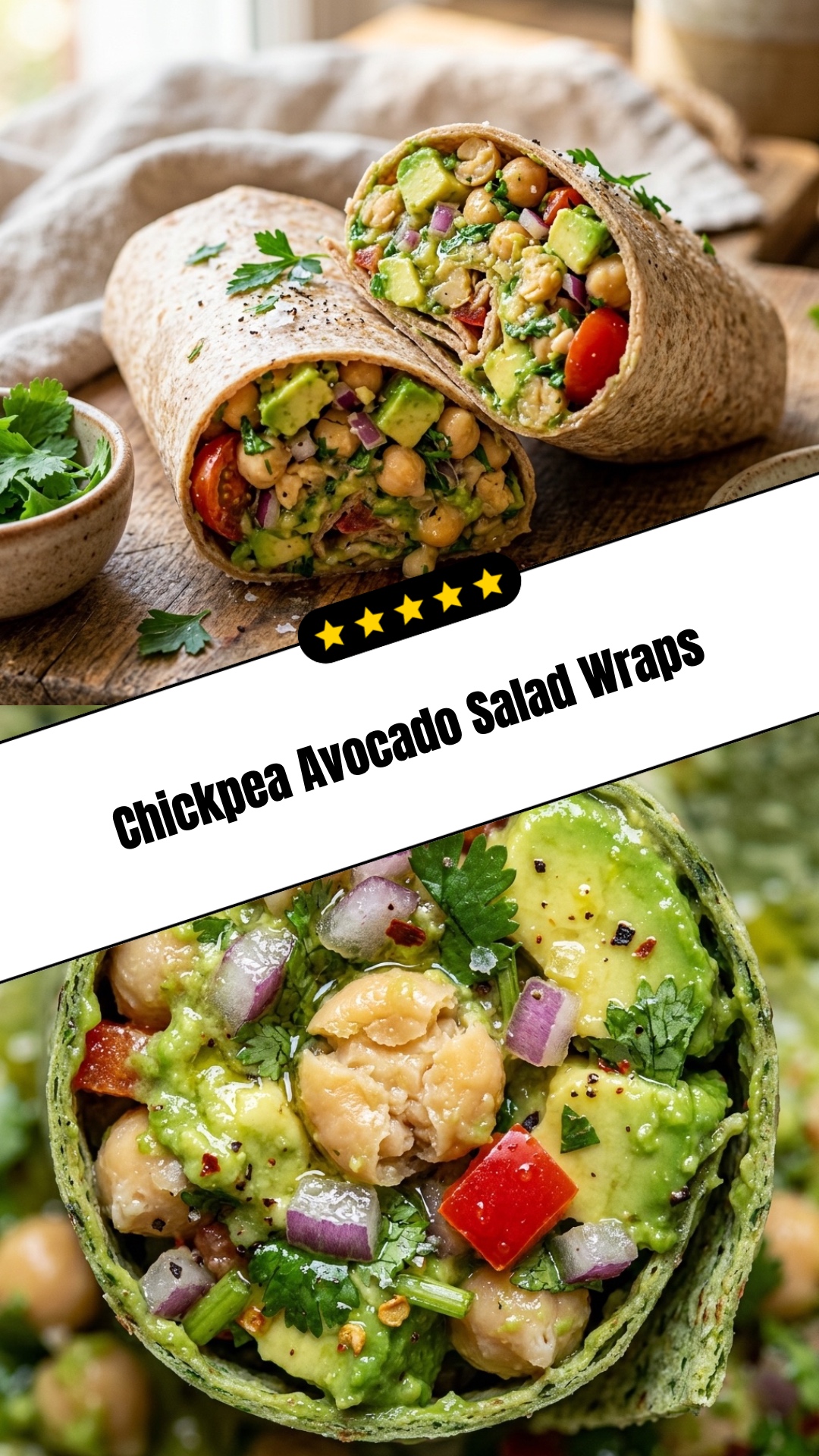
Chickpea Avocado Salad Wraps