
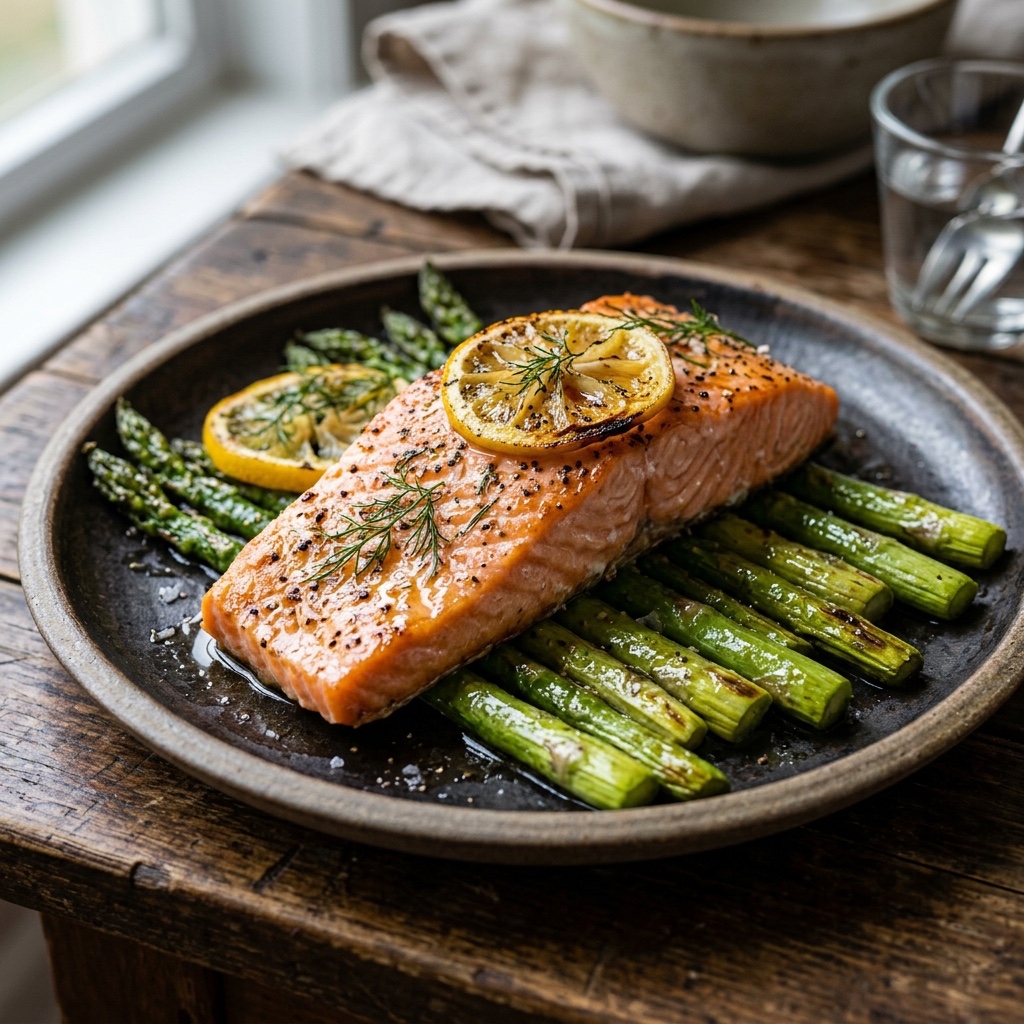
There’s something magical about a meal that requires almost no cleanup, fills your kitchen with the most incredible aroma, and tastes like you spent an hour fussing over it. I discovered baked salmon foil packets on a chaotic Tuesday night when I had about twenty minutes to get dinner on the table and zero energy left for scrubbing pans. I tossed some salmon, lemon, and a handful of vegetables onto a sheet of foil, folded it into a little parcel, and hoped for the best. That first bite was a revelation. The salmon emerged impossibly tender, the vegetables were perfectly steamed in their own juices, and the lemony, buttery sauce that pooled in the bottom of the packet was so good I nearly drank it. Since then, these foil packets have become my secret weapon for busy weeknights, lazy Sundays, and everything in between. They’re forgiving, endlessly adaptable, and they make you feel like a kitchen hero with almost no effort. Let me show you how it’s done.
Recipe Timing
- Prep Duration: 10 minutes
- Active Cooking: 20 minutes
- Total Duration: 30 minutes
- Portion Size: 4 servings
- Complexity: Simple
Nutritional Recipe
- Calories per portion: 395
- Protein: 37g
- Carbs: 12g
- Fats: 22g
- Fiber: 3g
- Sugars: 6g
- Sodium: 490mg
Why You’ll Love This Baked Salmon Foil Packets
If you’re looking for a dinner that’s healthy, fast, and practically cleans up after itself, this is the one. The salmon cooks gently inside its foil cocoon, so it stays moist and flaky every single time. The vegetables roast alongside the fish, soaking up all those lovely juices, and the whole thing comes together in about thirty minutes flat. You don’t even need to wash a baking sheet. These packets are also incredibly customizable. You can swap in whatever vegetables you have hanging out in your fridge, change up the seasonings to match your mood, or make them as spicy or as mild as you like. Plus, they look so pretty when you open them at the table, with that little puff of steam and the bright colors peeking out.
The Complete Cooking Journey
Making these foil packets is like sending your dinner on a little spa vacation. Everything gets sealed up together in its own cozy pouch, and the gentle heat of the oven does all the work. The salmon steams and roasts at the same time, becoming so tender it practically melts. The vegetables soften and sweeten, and the butter, lemon, and herbs melt into a simple, glorious sauce that brings it all together. When you pull those packets out of the oven, the foil will be puffed up like little pillows. Be careful when you open them because that first fragrant steam is pure magic. It smells like lemon, garlic, and the ocean, and it promises something truly delicious.
Ingredients:
- 4 (6 ounce) skinless salmon fillets, about 1 inch thick
- 2 cups cherry tomatoes, halved
- 1 large zucchini, cut into half-moons
- 1 medium lemon, thinly sliced
- 4 tablespoons unsalted butter, cut into small pieces
- 4 cloves garlic, minced
- 2 tablespoons fresh dill, chopped (or 2 teaspoons dried)
- 1 tablespoon olive oil
- 1 teaspoon salt
- ½ teaspoon black pepper
- 4 large sheets heavy-duty aluminum foil (about 12×18 inches each)
Method:
Step 1: Preheat the Oven and Prepare the Foil
Preheat your oven to 400°F (200°C). Lay out your four sheets of foil on a clean work surface. It helps to have them shiny side up. If you’re worried about leaks, you can double up the foil for extra security, though heavy-duty foil usually does the trick on its own.
Step 2: Build the Vegetable Base
Divide the cherry tomatoes and zucchini evenly among the four foil sheets, placing them in the center of each sheet. Drizzle the vegetables with the olive oil and a pinch of salt and pepper, then give them a little toss right on the foil with your hands to coat everything evenly.
Step 3: Season the Salmon Fillets
Pat the salmon fillets dry with a paper towel. This helps the seasoning stick and gives you a nicer texture. Season both sides of each fillet with the remaining salt and pepper. Place one fillet on top of each pile of vegetables.
Step 4: Layer on the Flavor
Top each salmon fillet with a couple slices of lemon, a sprinkle of fresh dill, and a quarter of the minced garlic. Dot the top of each fillet with the butter pieces, dividing them evenly. The butter will melt and create a luscious sauce as the packet bakes.
Step 5: Seal the Foil Packets
Bring the two long sides of the foil together over the salmon and fold them over a couple of times to create a tight seam. Then fold the short ends up, crimping them securely, to create a completely sealed packet. Make sure there’s a little bit of air space around the fish inside so the steam can circulate. Place the packets on a large baking sheet. This makes them easier to get in and out of the oven.
Step 6: Bake the Packets
Place the baking sheet in the preheated oven and bake for 18 to 20 minutes, depending on the thickness of your salmon fillets. The salmon is done when it flakes easily with a fork and the internal temperature reaches 145°F (63°C). The vegetables should be tender and the tomatoes should have burst a little.
Step 7: Rest and Serve with Care
Remove the baking sheet from the oven and let the packets rest for 2 to 3 minutes. This allows the steam to settle a bit so you don’t get a face full of hot vapor when you open them. To serve, you can carefully open the packets at the table for a dramatic reveal, or transfer the salmon and vegetables to plates and spoon the delicious juices over the top.
Serving Suggestions & Pairings
These foil packets are wonderful on their own, but they love a good sidekick. Fluffy white rice or creamy mashed potatoes are perfect for soaking up that buttery lemon sauce. A simple side of steamed green beans or a crisp green salad with a light vinaigrette adds a fresh crunch. For something a little heartier, try serving the salmon and vegetables over a bed of quinoa or alongside some crusty bread to mop up every last drop of juice. A glass of chilled Sauvignon Blanc or a light Pinot Grigio is a beautiful match for the bright lemony flavors.
Storage & Leftovers Guide
Leftover salmon and vegetables can be stored in an airtight container in the refrigerator for up to 2 days. The texture of the salmon will change a bit upon reheating, but it’s still delicious. For the best results, reheat leftovers gently in a covered pan over low heat with a splash of water or lemon juice to add back some moisture. You can also flake the cold salmon over a salad for a fantastic lunch the next day. I do not recommend freezing these foil packets, as the texture of the salmon and vegetables will suffer during thawing.
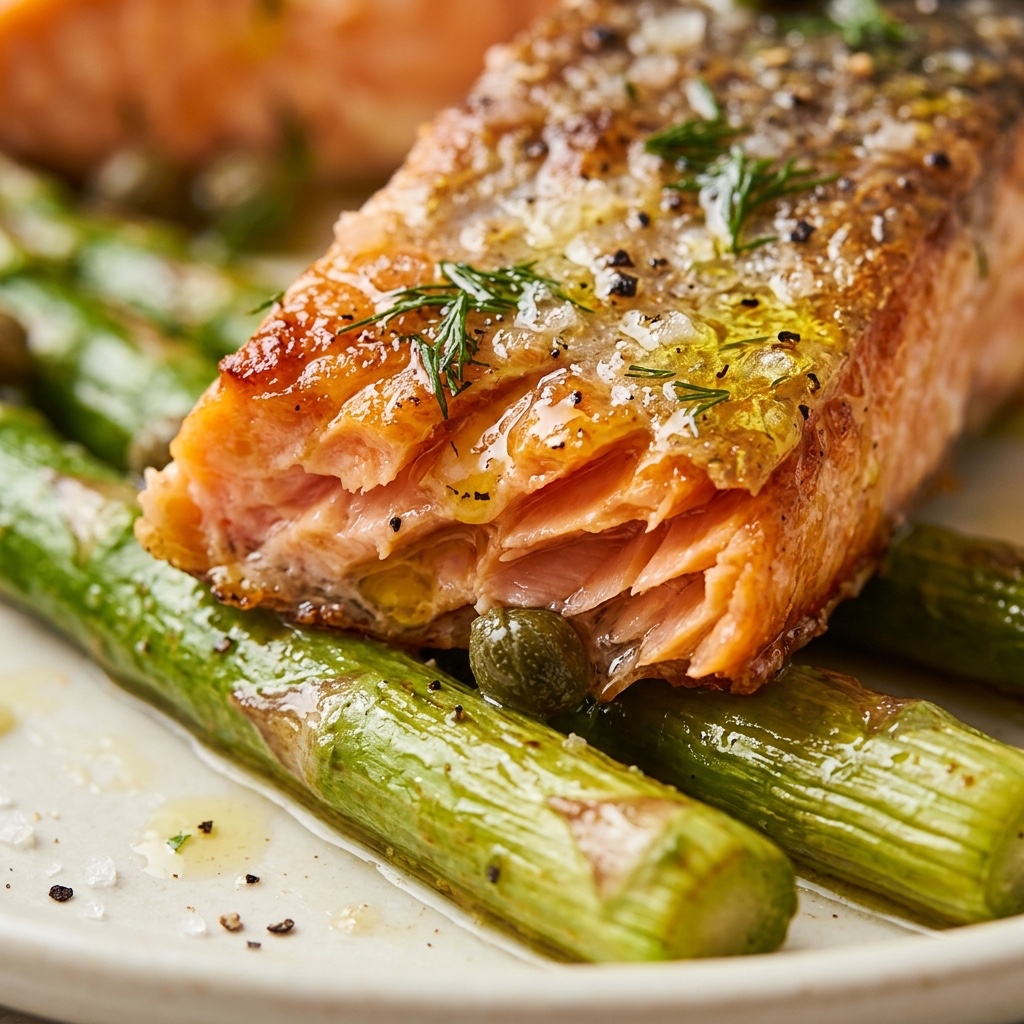
Kitchen Wisdom & Success Tips
- Use thick, even fillets: Salmon fillets that are about the same thickness will cook at the same rate. If your fillets are very thin, reduce the cooking time by a few minutes.
- Don’t skip the butter: It might seem like a lot, but the butter is what creates that gorgeous, flavorful sauce. You can substitute a good quality olive oil if you prefer, but the flavor will be different.
- Double-check your seals: The most important part of this recipe is making sure your packets are well sealed. A loose seal will let the steam escape, and your salmon will dry out.
- Let them rest: That few minutes of resting time after the oven is not optional. It ensures your first bite is safe and delicious.
Flavor Variations & Adaptations
- Mediterranean Twist: Swap the dill for oregano and add a handful of kalamata olives and crumbled feta cheese before sealing the packets.
- Asian Inspired: Replace the butter with sesame oil, use soy sauce instead of salt, and add a sprinkle of ginger and sliced green onions.
- Spicy Kick: Add a pinch of red pepper flakes to the butter and throw in some sliced jalapeño for a little heat.
- Add Some Crunch: Sprinkle toasted slivered almonds or panko breadcrumbs over the top of the salmon before baking for a nice texture.
- Make it Dairy-Free: Replace the butter with a high-quality extra virgin olive oil and skip the cheese in any variations. The salmon will still be wonderfully moist.
Reader Questions & Solutions
Q: My vegetables came out a little soggy. What did I do wrong?
A: This usually happens if the vegetables are cut too small or if there’s too much moisture on them. Try cutting your zucchini into thicker half-moons and patting the cherry tomatoes dry with a paper towel before adding them to the packet. You can also place the vegetables in the packet first and the salmon on top to keep them from sitting in as much liquid.
Q: Can I use frozen salmon fillets?
A: Yes, but you’ll need to thaw them completely in the refrigerator first. Cooking frozen salmon in a foil packet can lead to uneven cooking and a watery sauce because of all the extra moisture. Pat the thawed fillets dry before seasoning.
Q: Can I use a different kind of fish?
A: Absolutely. This method works beautifully with other firm, flaky fish like cod, halibut, or sea bass. Just adjust the cooking time based on the thickness of your fillets.
Q: The outside of my salmon was cooked, but the inside was still raw.
A: This usually means your fillets were too thick or your oven temperature was too high. Try cutting thicker fillets in half horizontally to create two thinner pieces, or lower your oven temperature to 375°F and extend the baking time by a few minutes.
Q: How do I prevent the salmon from sticking to the foil?
A: Make sure you have enough butter or oil in the packet, and use non-stick foil if you have it. Let the salmon rest for a minute or two after opening the packet before you try to lift it off the foil.
Wrapping Up
This Baked Salmon Foil Packets recipe is one of those rare dishes that feels fancy enough for company but is simple enough for a Tuesday night. It’s a complete meal in a little parcel, full of good-for-you ingredients and big, bright flavors. I hope you give it a try and see just how easy and rewarding it can be. Happy cooking, friend.
Baked Salmon with Asparagus