
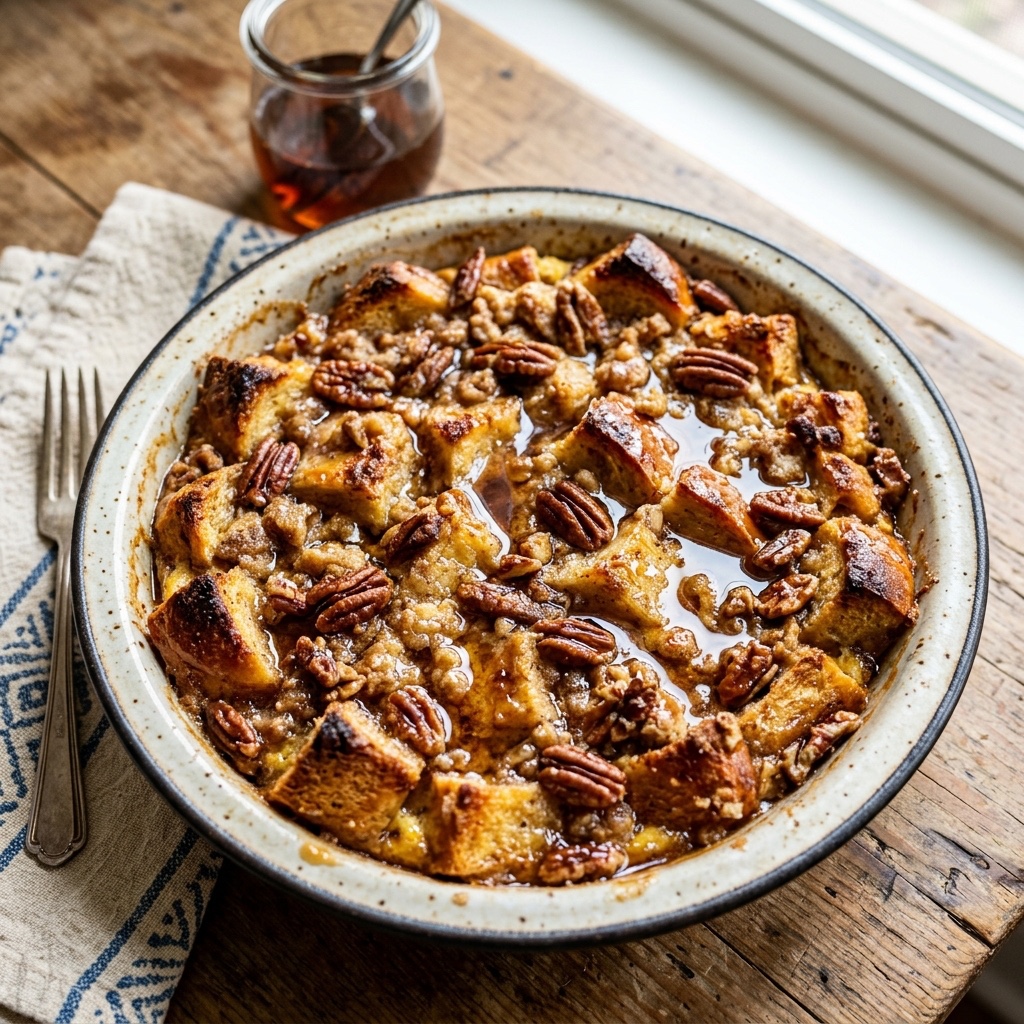
There are some dinners that just feel like a hug after a long day, and this Sheet Pan Lemon Salmon is one of them. I still remember the first time I made it—it was a frantic Tuesday evening, and I had exactly zero energy left for a complicated cleanup. I tossed some asparagus, salmon, and lemon slices onto a single pan, crossed my fingers, and slid it into the oven. What came out ten minutes later was golden, flaky salmon with bright, citrusy edges and perfectly roasted vegetables. My family actually cheered. Since then, this recipe has become my little secret weapon for busy nights, dinner parties, and those days when I just want to feel like a kitchen rockstar without breaking a sweat.
Recipe Timing
- Prep Duration: 10 minutes
- Active Cooking: 15 minutes
- Total Duration: 25 minutes
- Portion Size: 4 servings
- Complexity: Simple
Nutritional Recipe
- Calories per portion: 385
- Protein: 35g
- Carbs: 12g
- Fats: 22g
- Fiber: 4g
- Sugars: 5g
- Sodium: 520mg
Why You’ll Love This Sheet Pan Lemon Salmon
This isn’t just a recipe—it’s a lifeline. You get restaurant-quality salmon with barely any dishes, and the whole thing comes together in under half an hour. The lemon does double duty: it keeps the salmon moist while infusing every bite with bright, zesty flavor. Plus, roasting everything on one sheet pan means the juices from the salmon mingle with the vegetables, making every single bite taste like it’s been slow-cooked with love. It’s bright, buttery, and endlessly forgiving—even if you’re a beginner, you’ll nail this one.
The Complete Cooking Journey
Picture this: you’re standing in your kitchen, the oven is preheating, and you’ve got gorgeous salmon fillets and vibrant green asparagus waiting on the counter. There’s something so satisfying about laying everything out on a single pan, watching the lemon slices caramelize and the fish turn a beautiful peachy-gold. The smell is pure magic—garlic, lemon, and butter swirling together. By the time you pull it out, the kitchen feels like a little Mediterranean bistro, and your family is already hovering with forks.
Ingredients:
- 4 (6-ounce) skin-on salmon fillets
- 1 bunch fresh asparagus, woody ends trimmed
- 2 tablespoons unsalted butter, melted
- 3 tablespoons extra-virgin olive oil
- 3 cloves garlic, minced
- 1 large lemon, thinly sliced
- 1 teaspoon dried dill (or 1 tablespoon fresh dill, chopped)
- ½ teaspoon salt
- ¼ teaspoon black pepper
- Optional garnish: fresh parsley, extra lemon wedges
Method:
Step 1: Preheating and Prepping the Pan
Preheat your oven to 400°F (200°C). Line a large rimmed baking sheet with parchment paper or lightly grease it with cooking spray. This makes cleanup even easier and prevents sticking.
Step 2: Whisking the Garlic Butter Sauce
In a small bowl, whisk together the melted butter, olive oil, minced garlic, dried dill, salt, and pepper. Set aside about 1 tablespoon of this mixture to brush onto the salmon later.
Step 3: Arranging the Asparagus
Spread the trimmed asparagus in a single layer on the prepared baking sheet. Pour the remaining garlic butter mixture evenly over the asparagus, tossing gently with your hands to coat every spear.
Step 4: Placing the Salmon Fillets
Nestle the salmon fillets, skin-side down, among the asparagus. Make sure there’s a little space between each fillet so the heat can circulate and cook everything evenly.
Step 5: Topping with Lemon and Butter
Lay a few thin lemon slices directly on top of each salmon fillet. Brush the reserved garlic butter mixture generously over the tops of the fish, letting it drip down the sides.
Step 6: Roasting to Perfection
Place the sheet pan in the preheated oven and roast for 12–15 minutes, depending on the thickness of your salmon. The fish is done when it flakes easily with a fork and the asparagus is tender-crisp with slightly charred edges.
Step 7: Garnishing and Serving
Remove the pan from the oven. Squeeze a little fresh lemon juice over everything, then sprinkle with chopped fresh parsley if you like. Serve straight from the sheet pan or transfer to a platter for a prettier presentation.
Serving Suggestions & Pairings
This sheet pan salmon is a complete meal on its own, but it loves company. Pair it with fluffy couscous, garlicky rice, or a side of crusty bread to soak up the lemony juices. A light cucumber and tomato salad with a sprinkle of feta makes a refreshing contrast. It’s also gorgeous alongside roasted baby potatoes—just toss them on the same pan if you have room. For a special occasion, pour a crisp glass of Sauvignon Blanc or a light Pinot Grigio.
Storage & Leftovers Guide
Leftover salmon stays good in an airtight container in the refrigerator for up to 3 days. To reheat, warm it gently in a 300°F oven for about 5 minutes—this keeps it from drying out. For a quick lunch, flake the cold salmon over a green salad or mix it into pasta with a little olive oil and lemon juice. I don’t recommend freezing cooked salmon, as it tends to become a bit waterlogged when thawed.
Kitchen Wisdom & Success Tips
- Pat your salmon dry before seasoning. This helps the butter and spices cling to the fish and gives you that beautiful golden crust.
- Don’t overcrowd the pan. If you’re doubling the recipe, use two sheet pans instead of one. Crowding traps steam and makes everything soggy.
- Use skin-on salmon. The skin acts as a barrier, keeping the fish juicy and preventing it from sticking to the pan. Plus, it gets delightfully crispy.
- Check for doneness early. Salmon continues to cook from residual heat after you pull it out, so aim for just-opaque in the center.
- Trim asparagus evenly. Spears that are all roughly the same thickness will cook at the same rate.
Flavor Variations & Adaptations
- Make it spicy: Add a pinch of red pepper flakes or a drizzle of sriracha to the butter sauce.
- Switch up the veg: Broccoli, zucchini slices, or cherry tomatoes work beautifully instead of asparagus.
- Go herbaceous: Swap the dill for fresh thyme, rosemary, or oregano—each gives a completely different personality.
- Citrus twist: Try a mix of lemon and orange slices for a slightly sweeter, more aromatic flavor.
- Dairy-free option: Replace the butter with additional olive oil or avocado oil. The salmon will still be wonderfully moist.
- Sheet pan salmon for one: Halve the ingredients and reduce roasting time by about 2 minutes—you’re still using the same method.
Reader Questions & Solutions
Q: My salmon always turns out dry. What am I doing wrong?
A: The most common culprit is overcooking. Salmon fillets are done when they reach an internal temperature of 125°F to 130°F (for medium) or 135°F to 140°F (for well-done). Always pull it out a minute or two early—it continues cooking on the hot pan.
Q: Can I use frozen salmon?
A: Absolutely! Thaw it completely in the refrigerator overnight, then pat it very dry with paper towels before seasoning. Frozen salmon releases more moisture, so drying it well is key.
Q: My asparagus came out mushy. How do I fix that?
A: Check your oven temperature—it might be running low. Also, make sure the spears aren’t too thick, and don’t overlap them on the pan. A hot, fast roast (400°F) is perfect for tender-crisp asparagus.
Q: Can I make this ahead of time for a dinner party?
A: You can assemble everything on the sheet pan up to 2 hours ahead, cover it, and keep it in the fridge. Just pop it in the oven when you’re ready. Add 2–3 minutes to the roasting time since it’s cold.
Q: I don’t have parchment paper. Will the salmon stick?
A: No problem! Use a well-greased sheet pan or a silicone baking mat. If you’re using a metal pan without lining, be extra generous with the oil and butter around the salmon.
Q: The lemon slices are bitter—should I remove the peel?
A: Not necessary! Just use thin slices and remove any visible seeds. The peel softens during roasting and adds a lovely aromatic quality. If bitterness is a concern, you can always use just the juice and zest instead.
Wrapping Up
This Sheet Pan Lemon Salmon is one of those recipes you’ll come back to again and again—not because it’s fancy, but because it’s honest and reliable. It reminds me that you don’t need a dozen pots or a complicated technique to create something truly delicious. Whether you’re feeding a hungry family or just treating yourself to a cozy solo dinner, this dish delivers joy in every single bite. So go ahead, grab that sheet pan, and make something beautiful tonight. You’ve got this.

French Toast Casserole